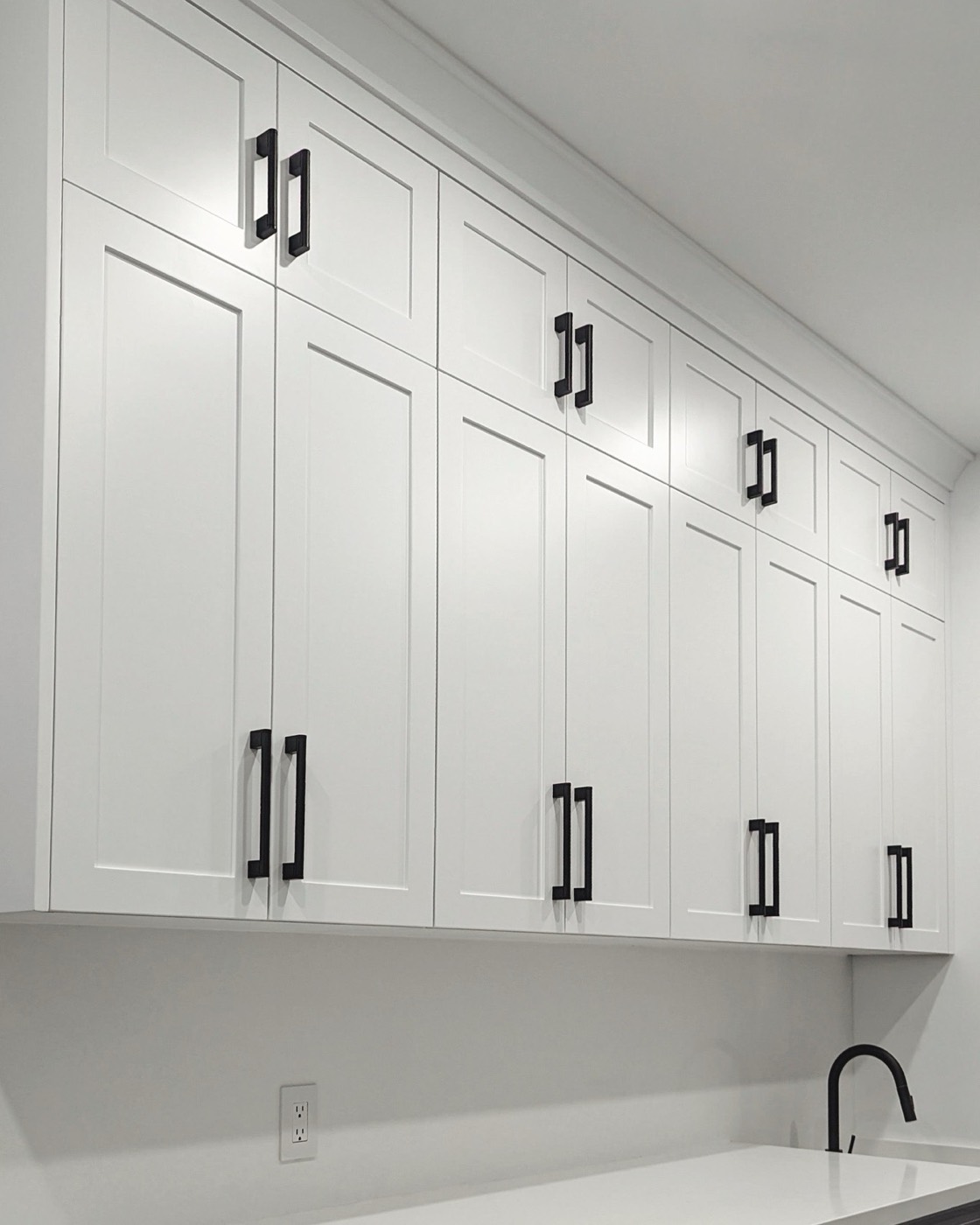

Why In-House Production Changes Everything
Most cabinetry 'makers' assemble parts from a catalogue. Here's what actually changes when one shop designs, mills and finishes your work.
Written by the Panda Reno design and workshop team: custom cabinet makers designing, building and installing across the Greater Toronto Area.
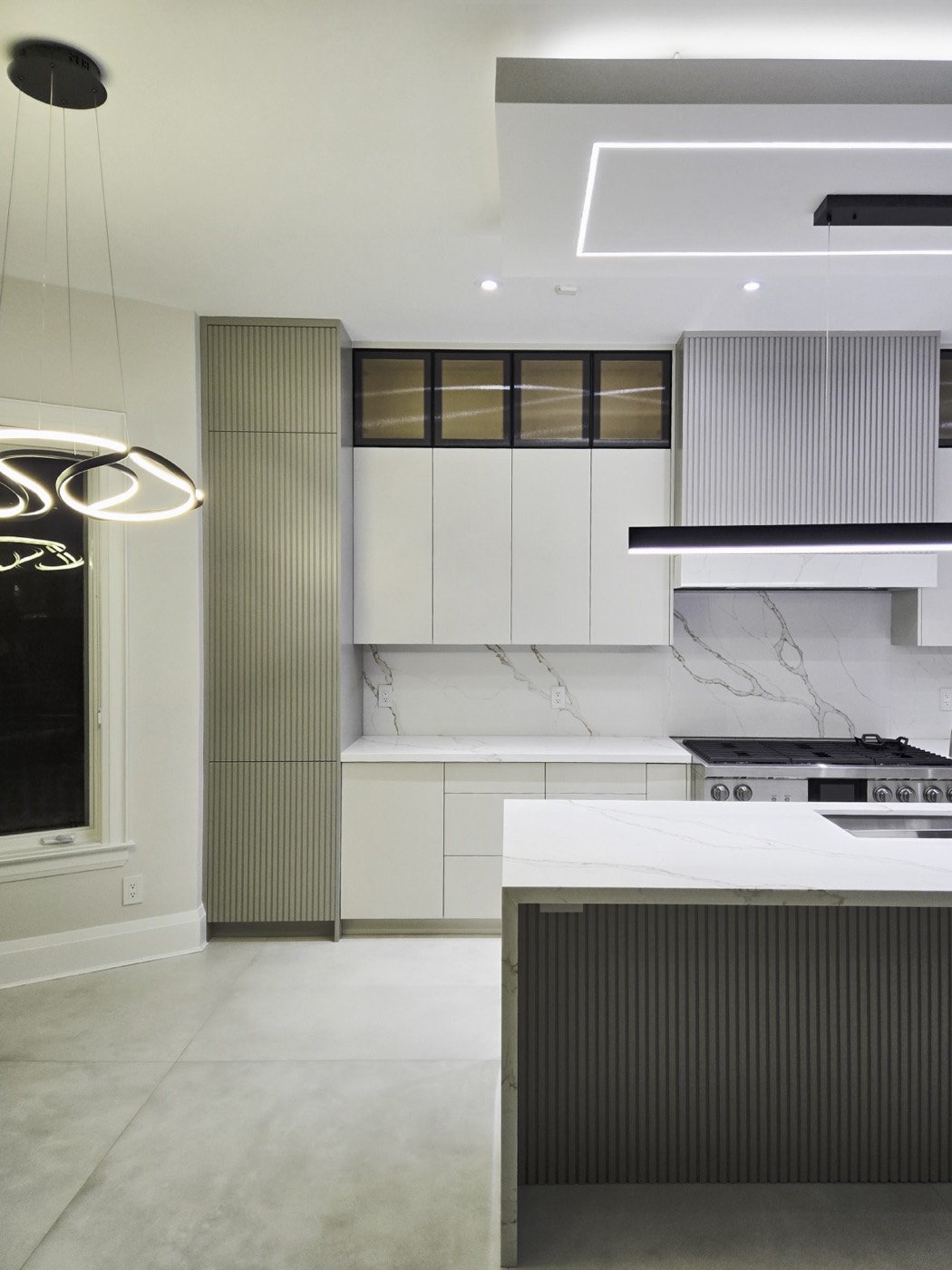
When you shop for custom cabinetry, almost everyone will tell you it's 'custom'. The honest question to ask is: where is it actually made? The answer changes the quality, the timeline and who's accountable when something needs to be right.
The catalogue problem
A lot of cabinetry is ordered as components from a large manufacturer and assembled on site. It's faster and cheaper, but you're limited to catalogue sizes, finishes and tolerances — and when something doesn't fit the quirks of a real, out-of-square house, there's little anyone can do.
Control over every tolerance
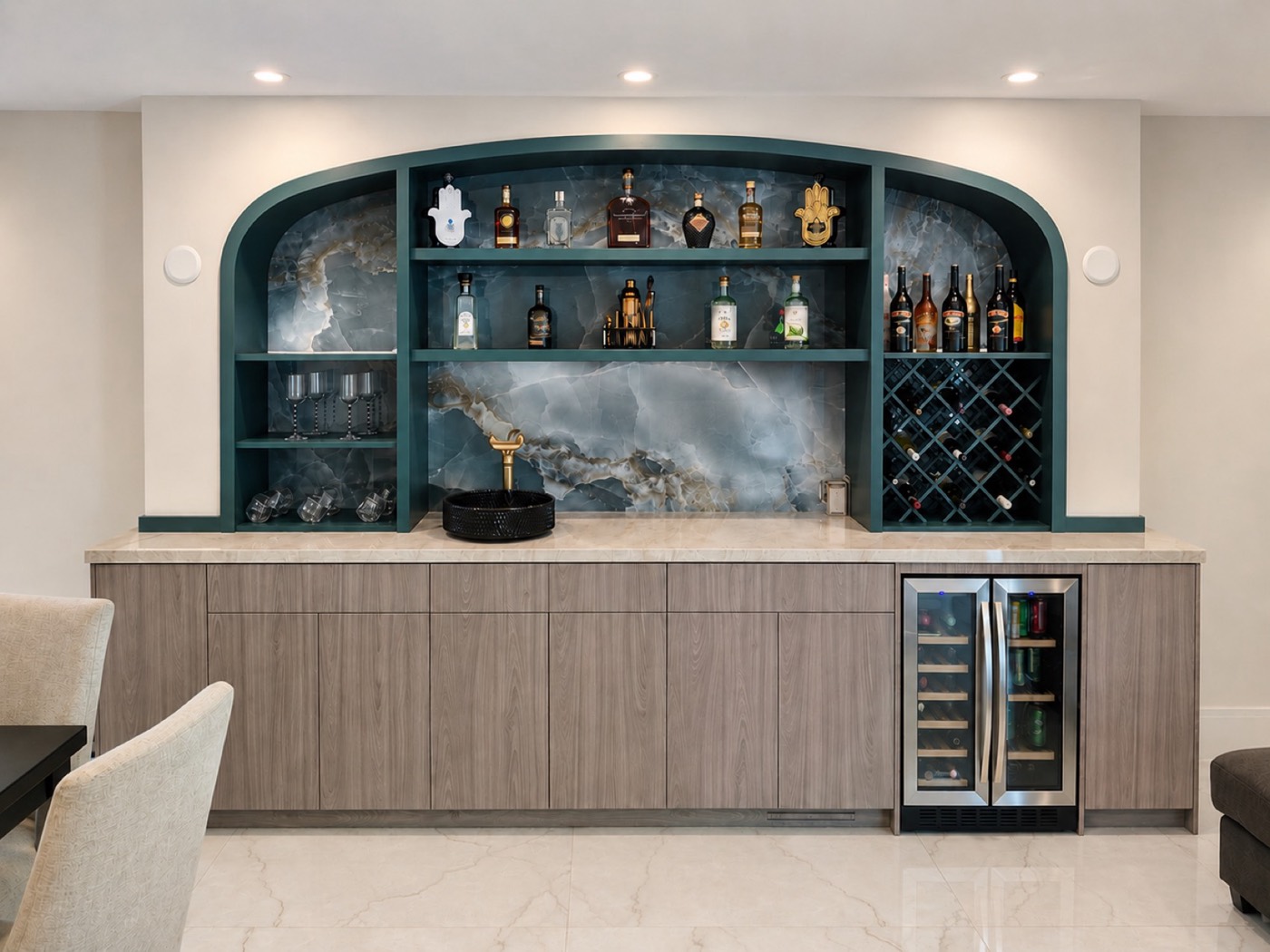
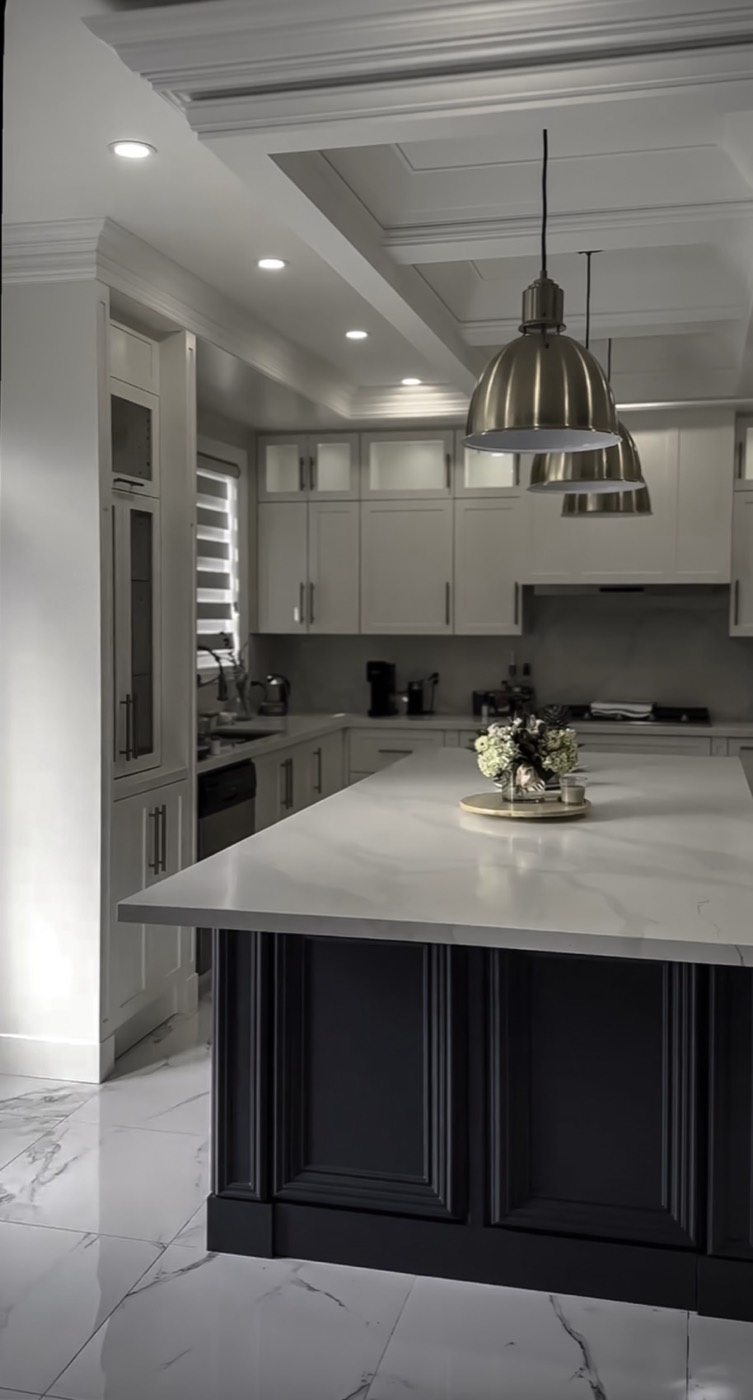
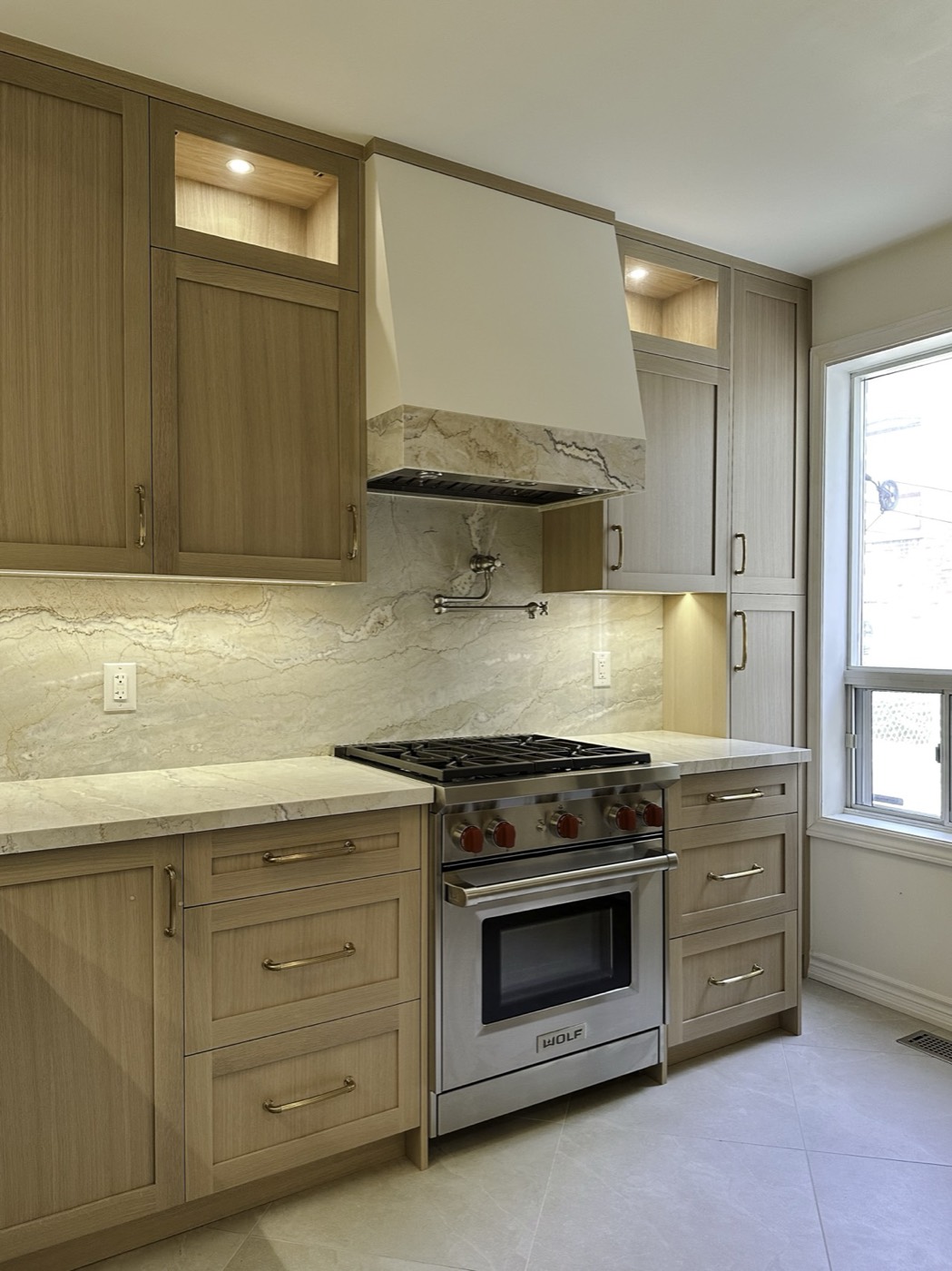
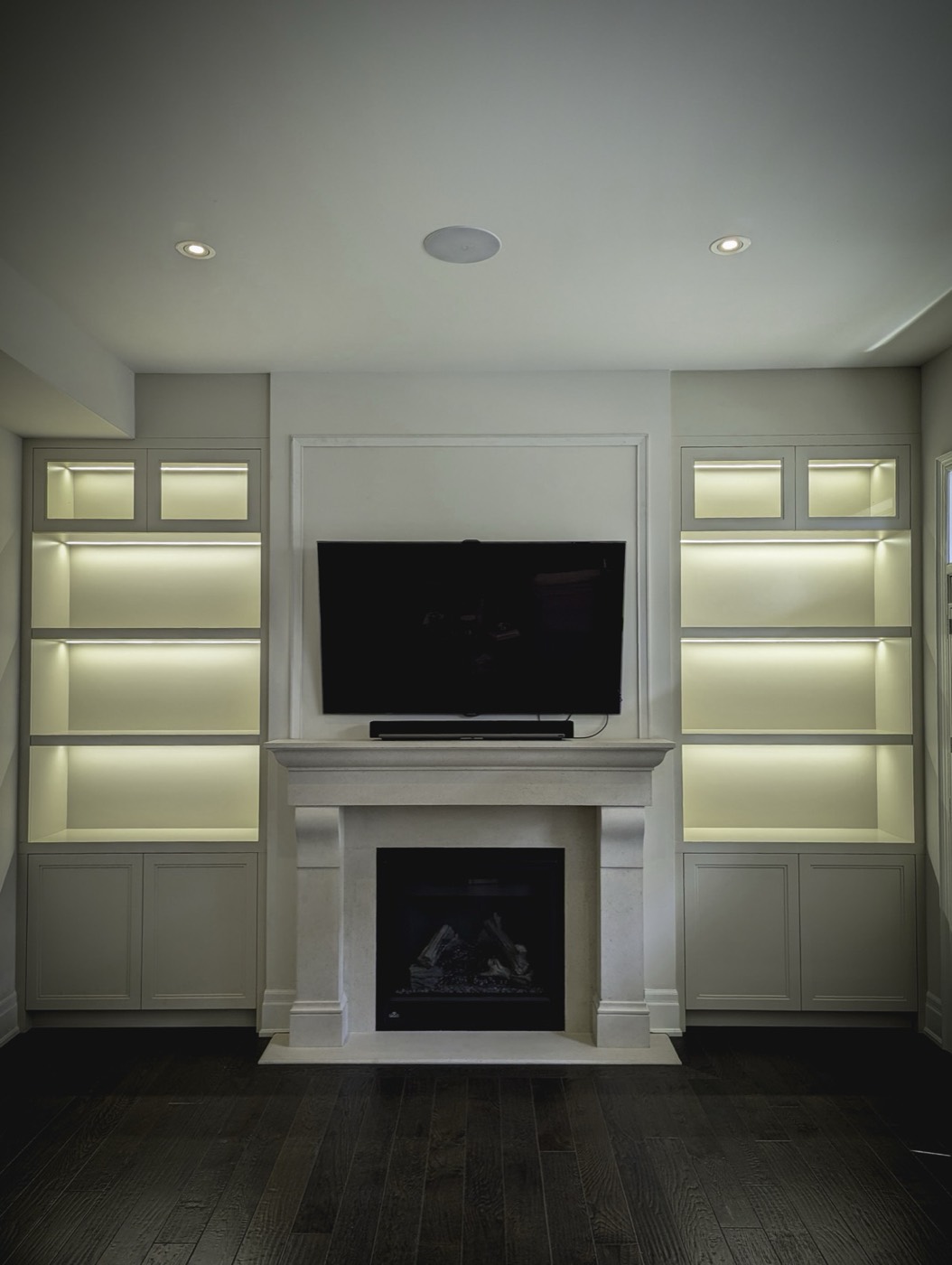
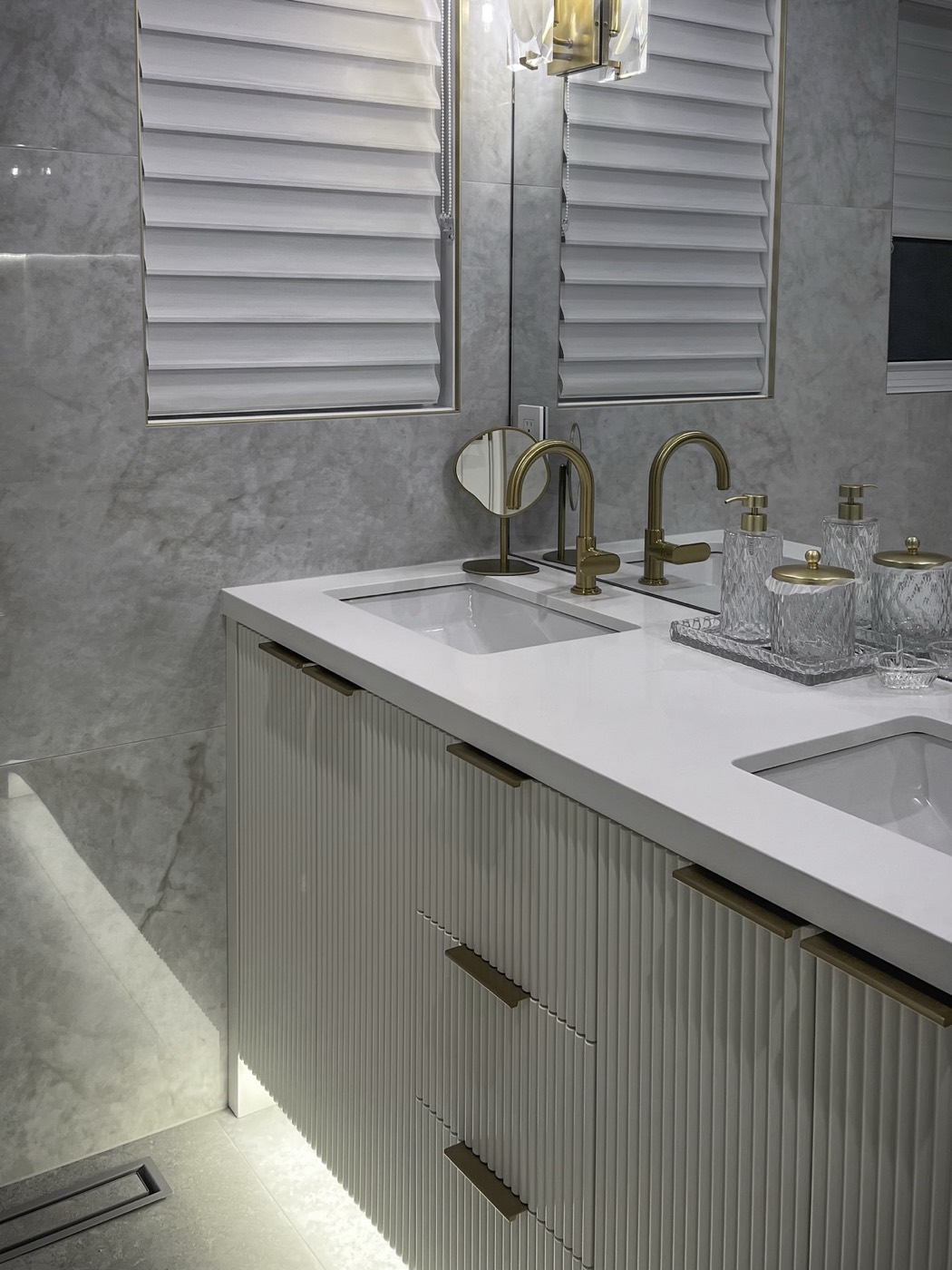
Because we mill in our own shop, we build to the millimetre and to your actual space — scribing to walls and ceilings, matching grain across doors, and integrating lighting, stone and appliances exactly where they need to go.
One team, one accountability
The people who draw your cabinetry are the people who build and install it. Fewer hand-offs means fewer things lost in translation — and one number to call if anything ever needs adjusting.
What it means for you
In-house production is slower and more demanding than buying boxes. But it's the best way we know to make sure that what we drew is what you get — and that it still closes soft and lines up straight years later.
What "in-house" should actually include
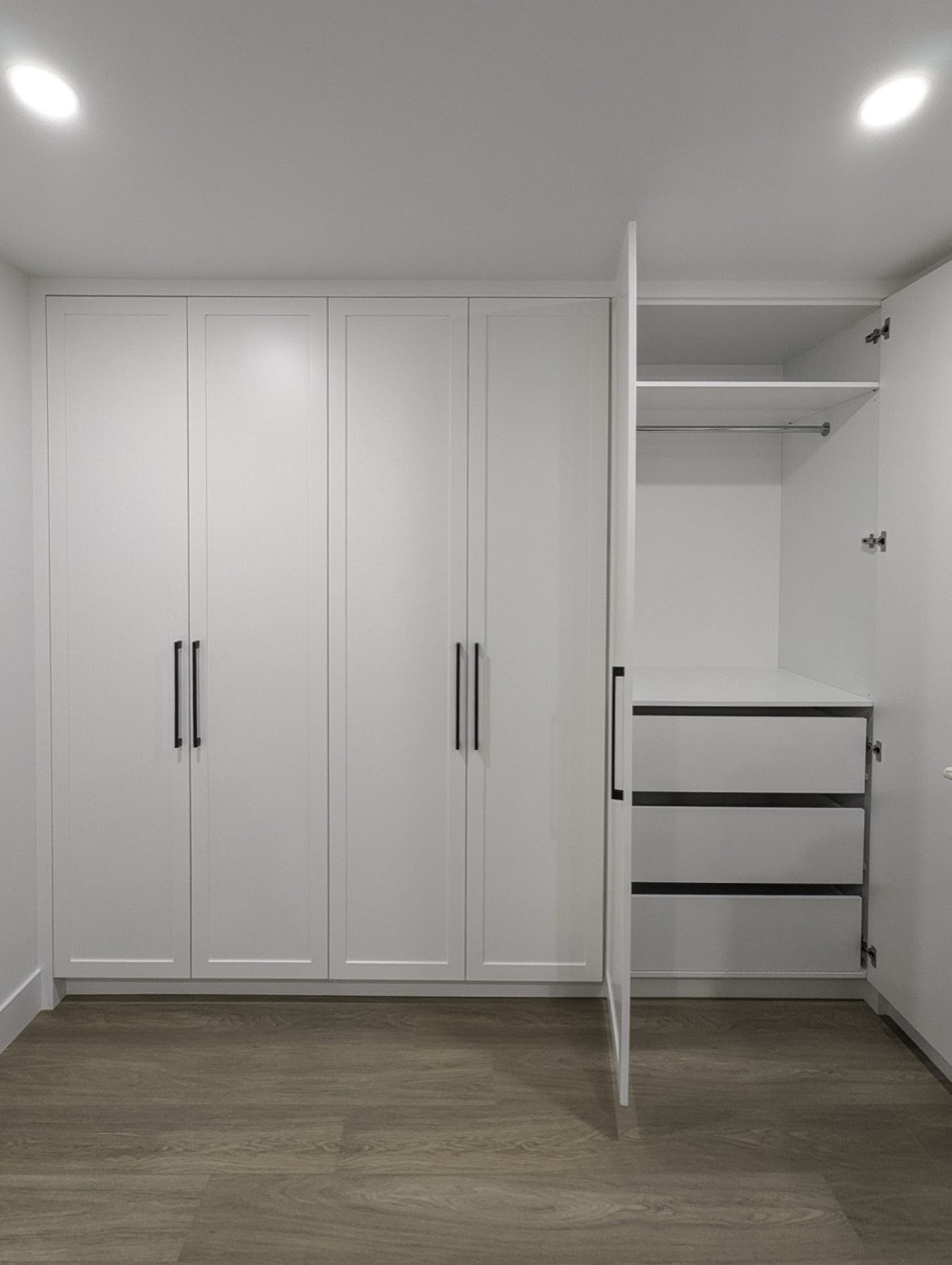
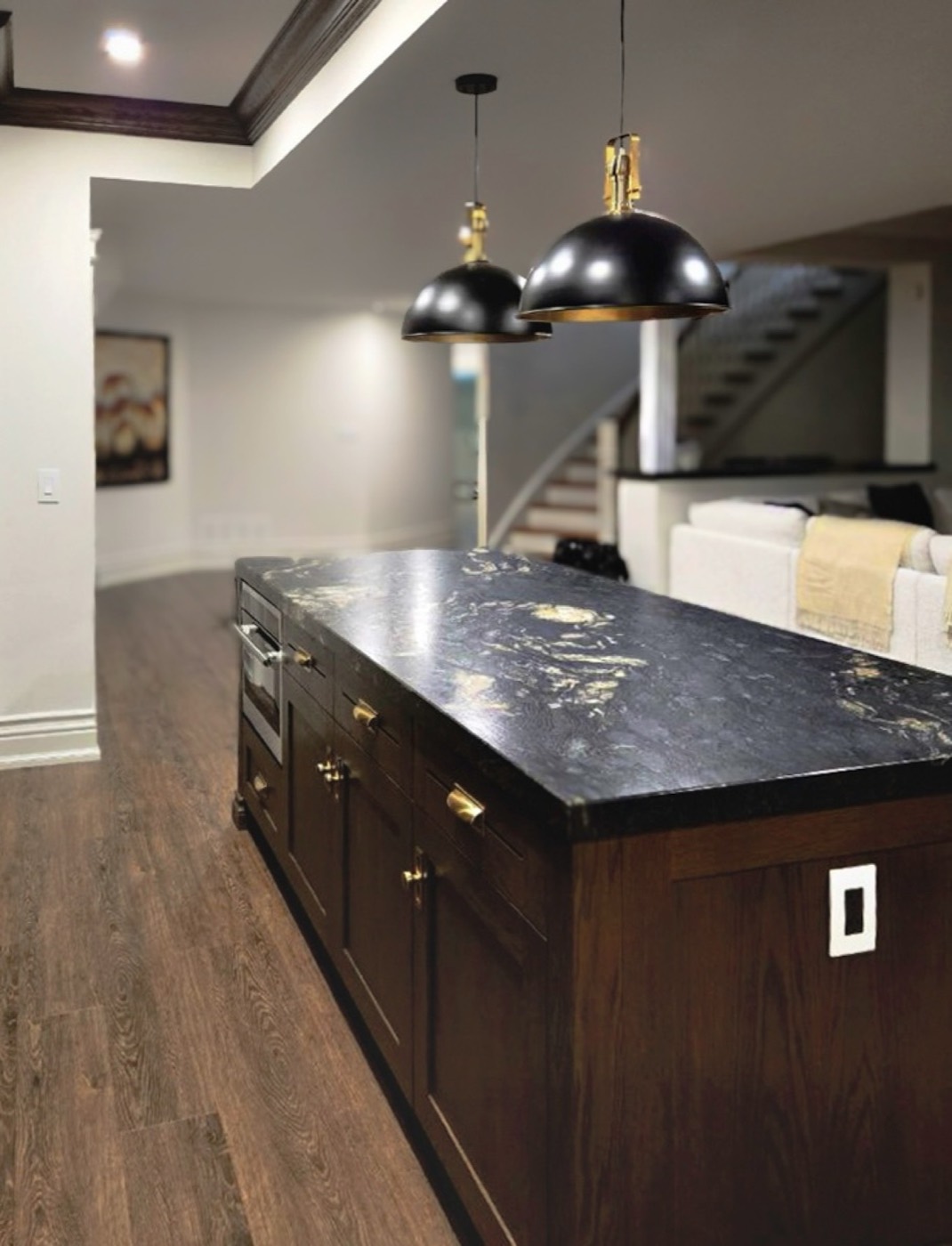
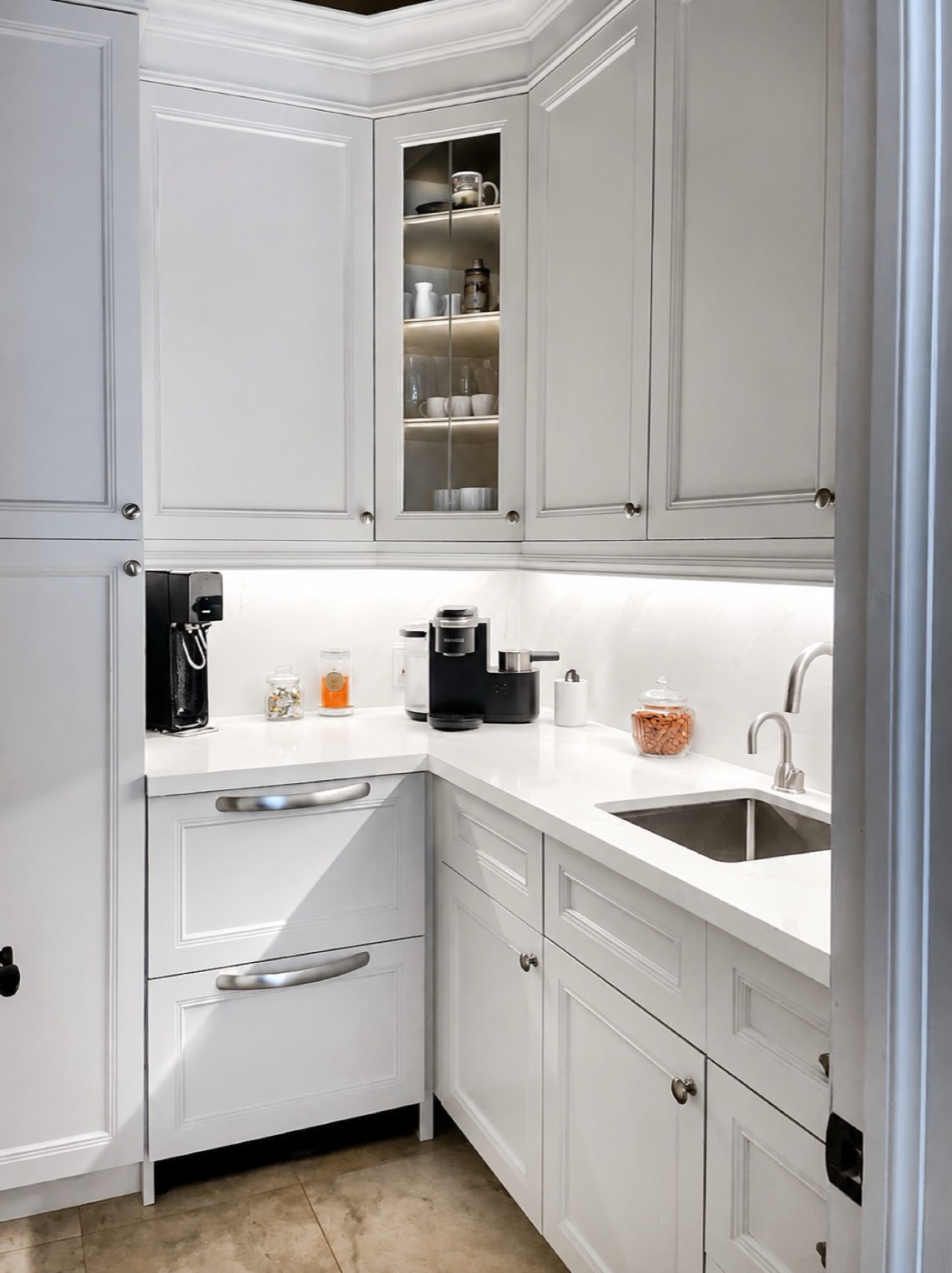
In-house production means the cabinetry itself is designed, drawn, milled, finished and assembled by the company you hire, and then installed by the same team. At Panda Reno, that is how every kitchen, closet, vanity and built-in is made.
It does not mean a cabinet maker produces everything in a room. Stone countertops, glass, appliances and some specialist hardware come from trusted suppliers, as they do for any cabinet maker. What matters is that the cabinetry, the part that determines fit, finish and longevity, is built by people who are accountable for the result.
Finish quality in a controlled shop
A painted or lacquered finish is only as good as the conditions it is applied in. In a shop, doors and panels are sprayed in a controlled environment, with the dust, temperature and curing time managed properly between coats. That is very different from finishing on site in a half-built room.
It also means every piece can be inspected before it leaves the building, so problems are caught on a bench rather than discovered on your wall.
Less time and mess in your home
Because the cutting, spraying and assembly happen in the shop, what arrives at your home is finished cabinetry ready to install. Installation becomes a matter of levelling, scribing and adjusting, which is faster, quieter and cleaner. For condos, where building rules limit noise and working hours, that difference is significant. Our kitchen timeline guide shows how little of the schedule is actually spent on site.
Fixes and changes happen faster
Even on well-run projects, something occasionally needs to change: a wall turns out to be a little different once drywall is up, or a panel is damaged in transit. When the cabinetry is built in our own shop, we can remake a part in days. When it comes from a distant factory, a replacement can mean reordering and waiting weeks.
Why it matters for commercial projects
Commercial clients live by deadlines. A clinic, shop or office cannot open with a missing reception desk. Building in-house lets us control the schedule from drawings to installation and coordinate it with the rest of the fit-out. Our millwork for the Skin Vitality medical aesthetics clinic, a slatted-oak reception desk, logo wall and treatment-room cabinetry, was built and finished in our shop, then installed on the clinic's timeline. See our commercial millwork page for more.
Questions to ask any cabinet company
If you are comparing quotes, these questions reveal how a company really works:
- Where is the cabinetry made, and by whom?
- Is the finish applied in a spray booth or on site?
- Who installs, and are they the same team that built the cabinets?
- What happens if a part is damaged or needs to change?
- Which items come from outside suppliers?
- Will I approve detailed drawings before production starts?
Related pages
Thinking about a project?
Let’s turn the idea into cabinetry.
Book a free consultation and we’ll talk through what’s possible for your space across the GTA.