
Kitchen Cabinet Door Styles Explained: Shaker, Slab, Inset & More
The door style sets the character of a kitchen more than any other choice. Here is how the main styles differ, how they wear in daily use, and how to choose the right one for your home.
Written by the Panda Reno design and workshop team: custom cabinet makers designing, building and installing across the Greater Toronto Area.
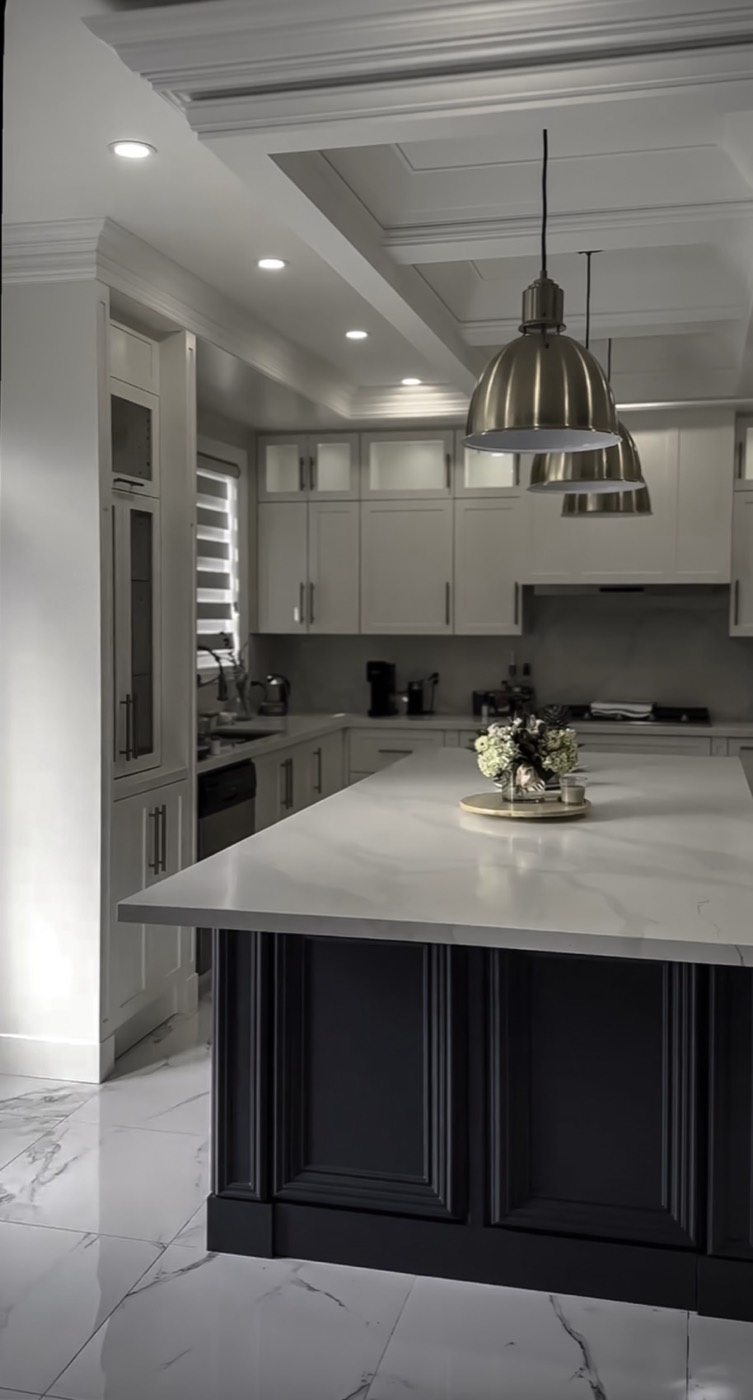
Ask most people to describe a kitchen they love and they will start with the doors: crisp white shaker, warm wood slab, a traditional painted inset. Door style sets the character of the whole room, and because doors and drawer fronts cover most of what you see, it is also one of the decisions you will live with longest.
This guide walks through the main cabinet door styles we build, how each one looks, how it holds up to daily life in a busy GTA kitchen, and where it costs more or less. The same styles apply to vanities, laundry rooms, bars and built-ins.
First, door style versus overlay
Two different things shape how a cabinet front looks. Door style is the design of the door itself: flat, framed, fluted, glass. Overlay is how the door sits relative to the cabinet box.
Full overlay doors cover almost the entire box, leaving small, even gaps between doors. This is the most common look in modern kitchens. Inset doors sit inside a face frame, flush with it, so you see the frame around every door. Inset is a classic furniture detail and demands more precision. Partial overlay, where more of the frame shows, is common in older kitchens and builder-grade cabinetry.
Shaker
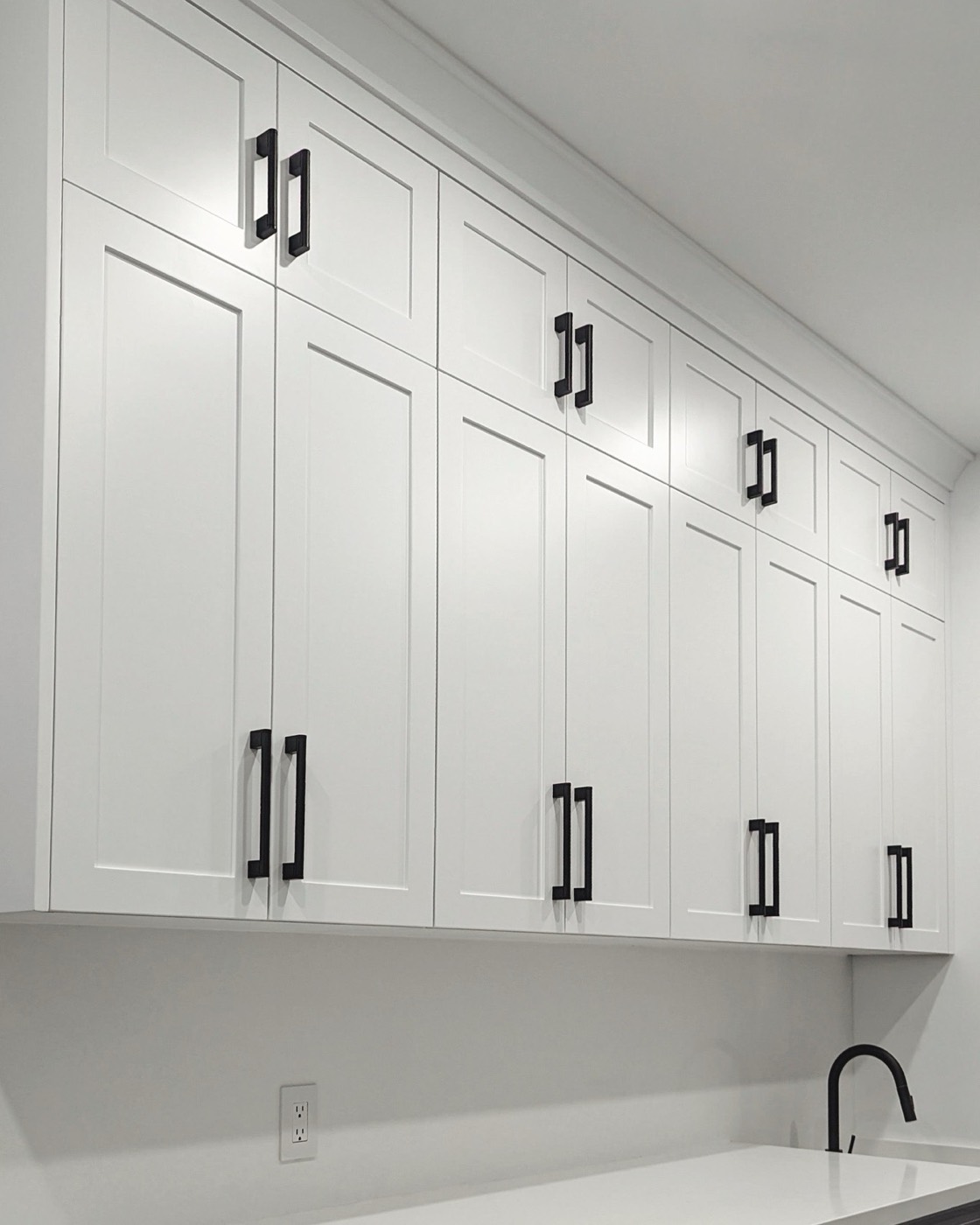
The shaker door is a five-piece door: a flat centre panel surrounded by a simple square frame. It is the most popular door style in North America for good reason. It is clean enough for a modern home and traditional enough for a century house, and it works painted or in wood.
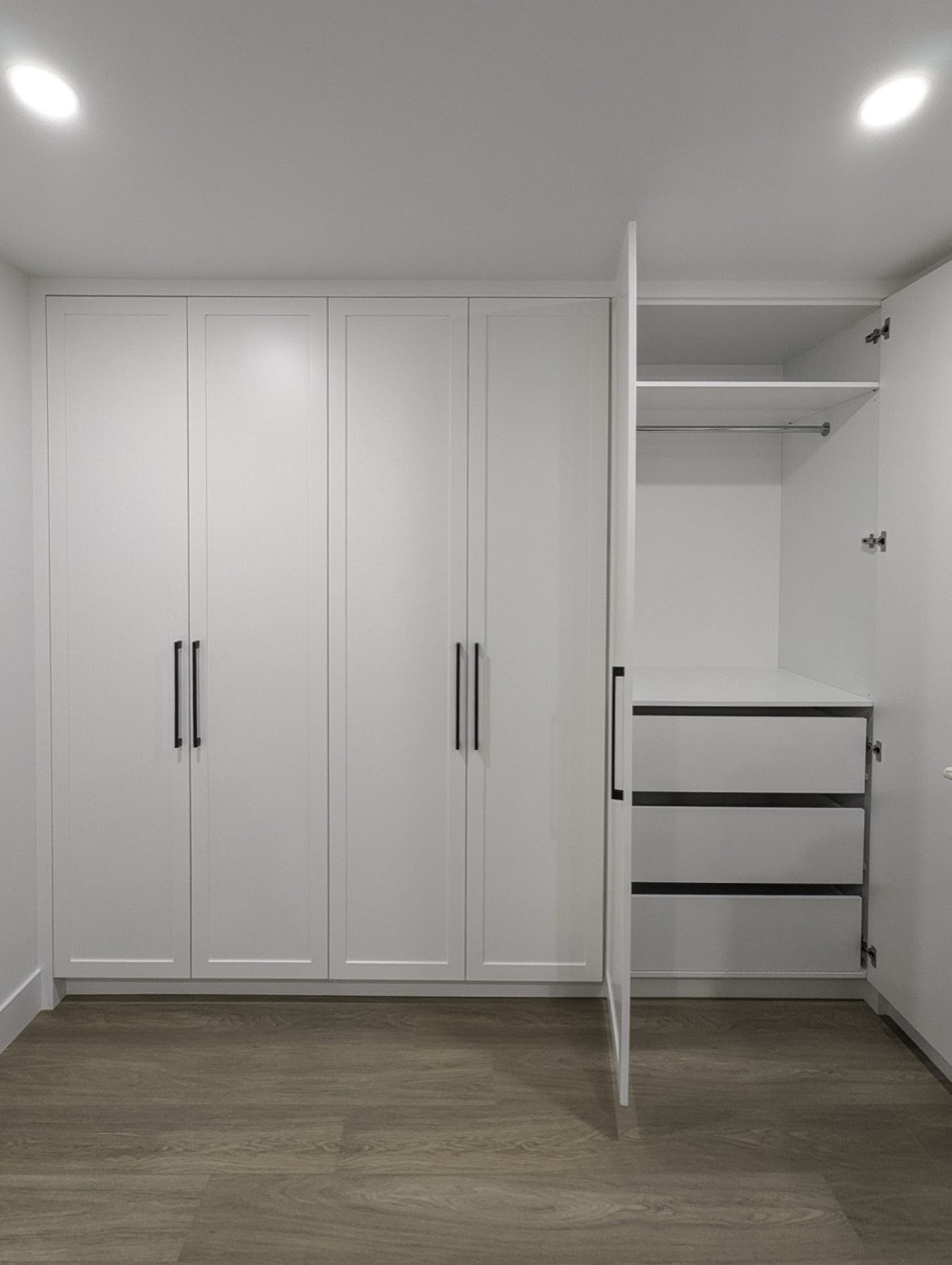
Painted shaker doors are typically built with a stable MDF centre panel and a frame, which keeps the panel from moving with the seasons. The inside corner of the frame does collect a little dust, and on painted doors a fine hairline can appear where frame parts meet as the seasons change; that is normal and a sign of real joinery. Our Signature Painted Kitchens and Laundry Room both use shaker fronts.
A popular variation is the slim shaker, with rails around an inch wide instead of the usual two to three. It reads more contemporary and suits smaller rooms and condo kitchens.
Slab (flat-panel)
A slab door is a single flat panel with no frame. It is the defining door of modern kitchens, and the material does all the talking: wood veneer with continuous grain, high-gloss or matte lacquer, or textured laminate.
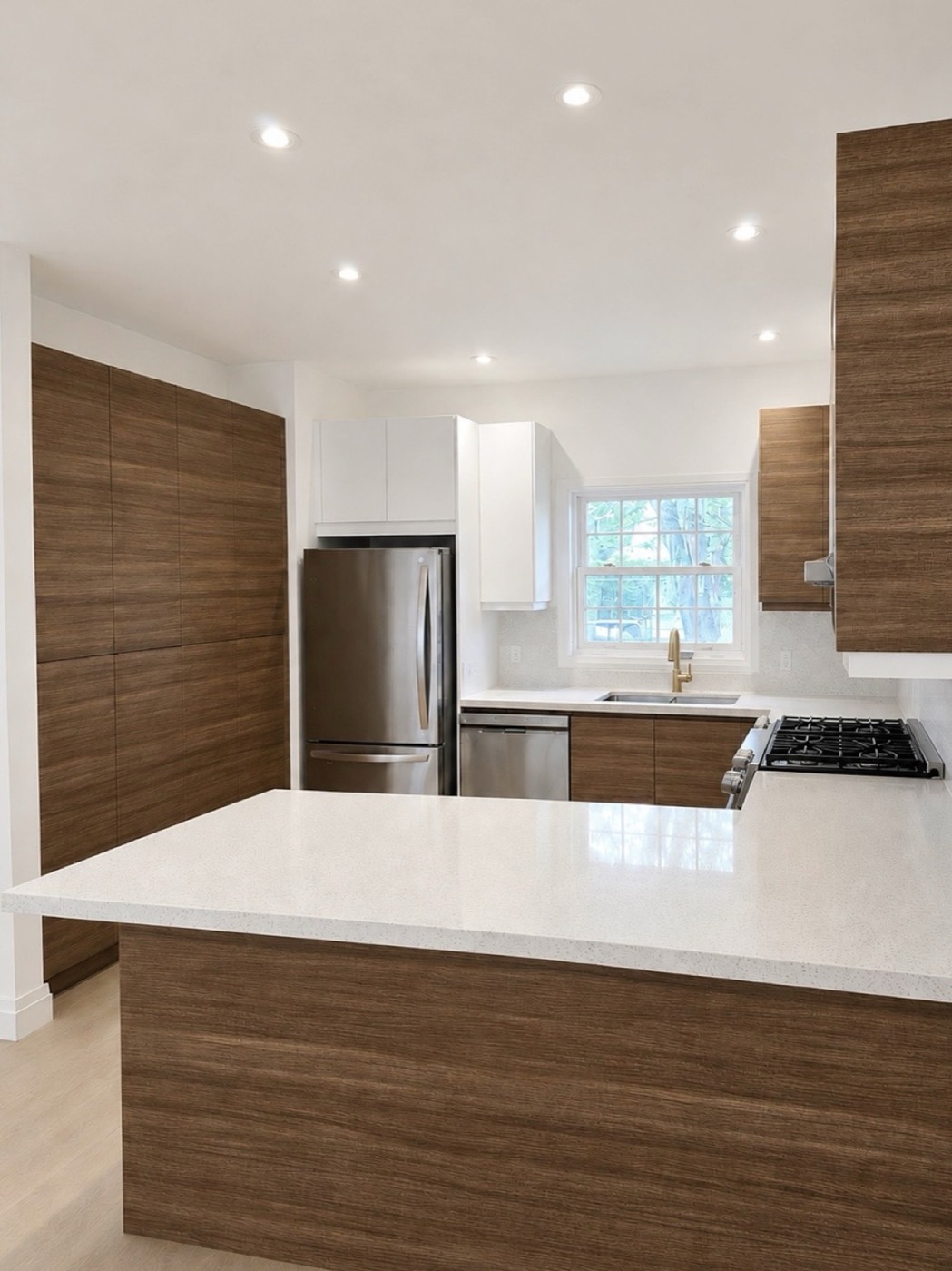
Slab doors are the easiest to wipe clean and work beautifully with handle-less designs, either push-to-open hardware or integrated finger pulls. Our Contemporary Calacatta Kitchen uses handle-less slab fronts, and the Pure Oak Kitchen runs a horizontal oak grain across a full wall of slab doors.
The catch is that slab doors hide nothing. Grain matching, edge quality and alignment all show, so craftsmanship matters more than with any other style. Large solid-wood slabs can also move with humidity, which is why we usually build them in veneered panel or painted MDF.
Inset
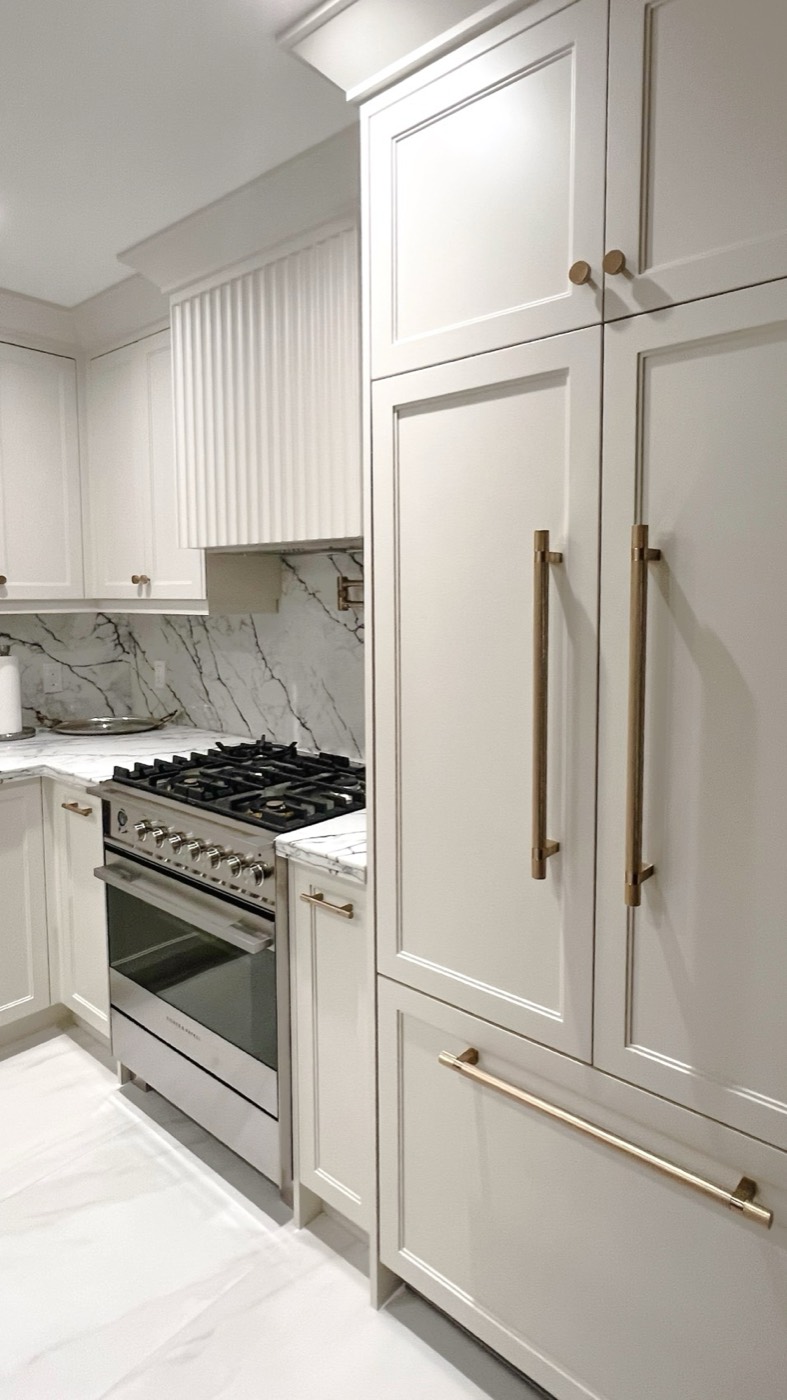
Inset cabinetry, where the doors sit flush within a face frame, is the most furniture-like and arguably the most timeless style. It suits traditional and transitional homes and is often paired with shaker or beaded doors and exposed or butt hinges. Our Traditional Cream Kitchen uses inset shaker doors with a fully panel-integrated refrigerator.
Inset costs more than overlay because every door must be fitted to its opening with a consistent, narrow gap. The face frame also takes a little interior space, and the doors need occasional adjustment as wood responds to the seasons. For many homeowners, the look is well worth it.
Raised panel
Raised-panel doors have a centre panel that is shaped and raised, creating a more formal, traditional profile. They suit classic interiors, libraries, bars and homes with traditional millwork. Some of the bars in our Custom Wet & Dry Bars collection use raised-panel fronts in stained wood.
Raised panels carry more visual weight, so they work best in larger rooms or as accents. They also have more profiles to dust. In stained wood, they show off the grain beautifully; painted, they read crisp and formal.
Fluted and reeded
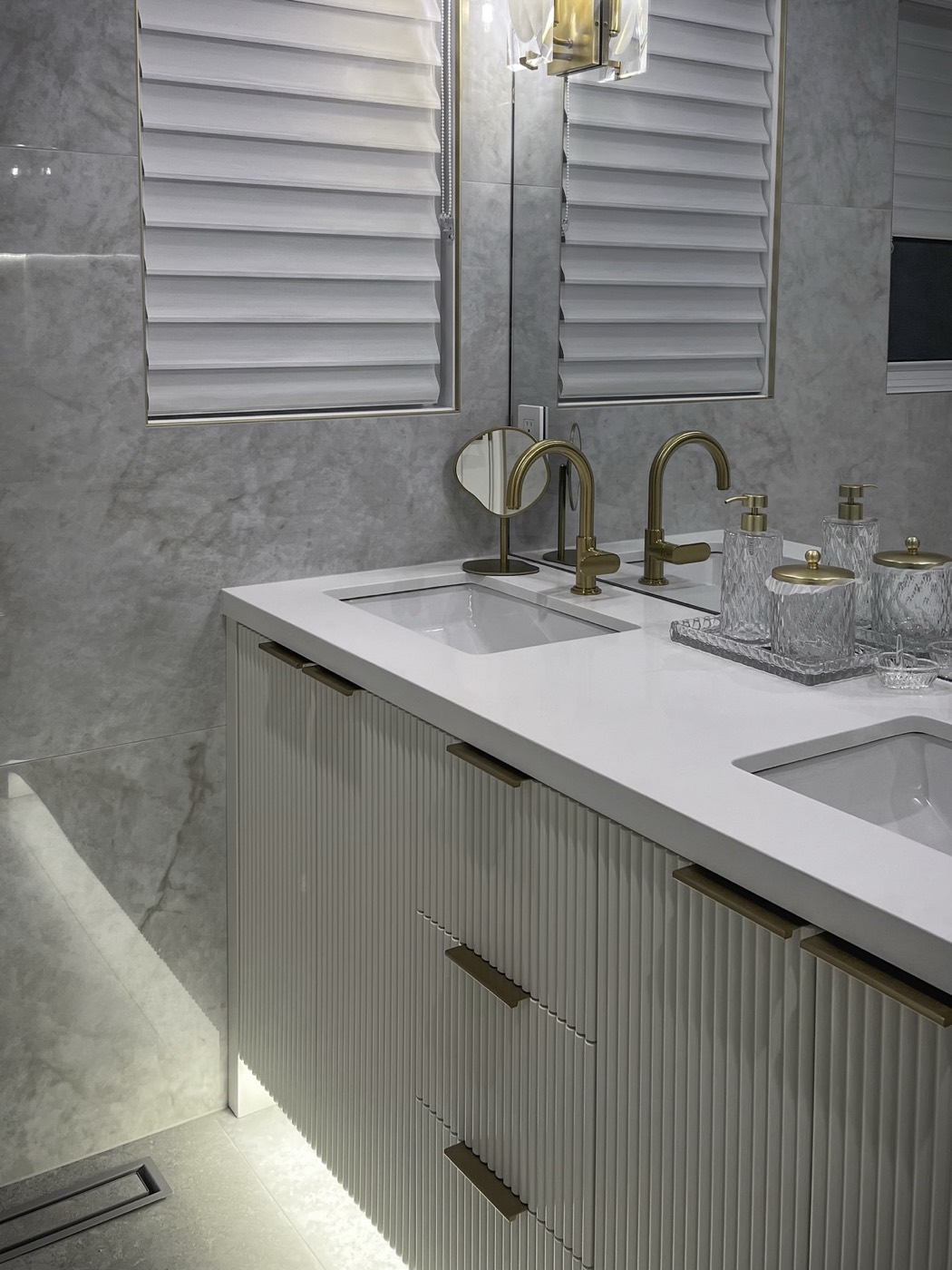
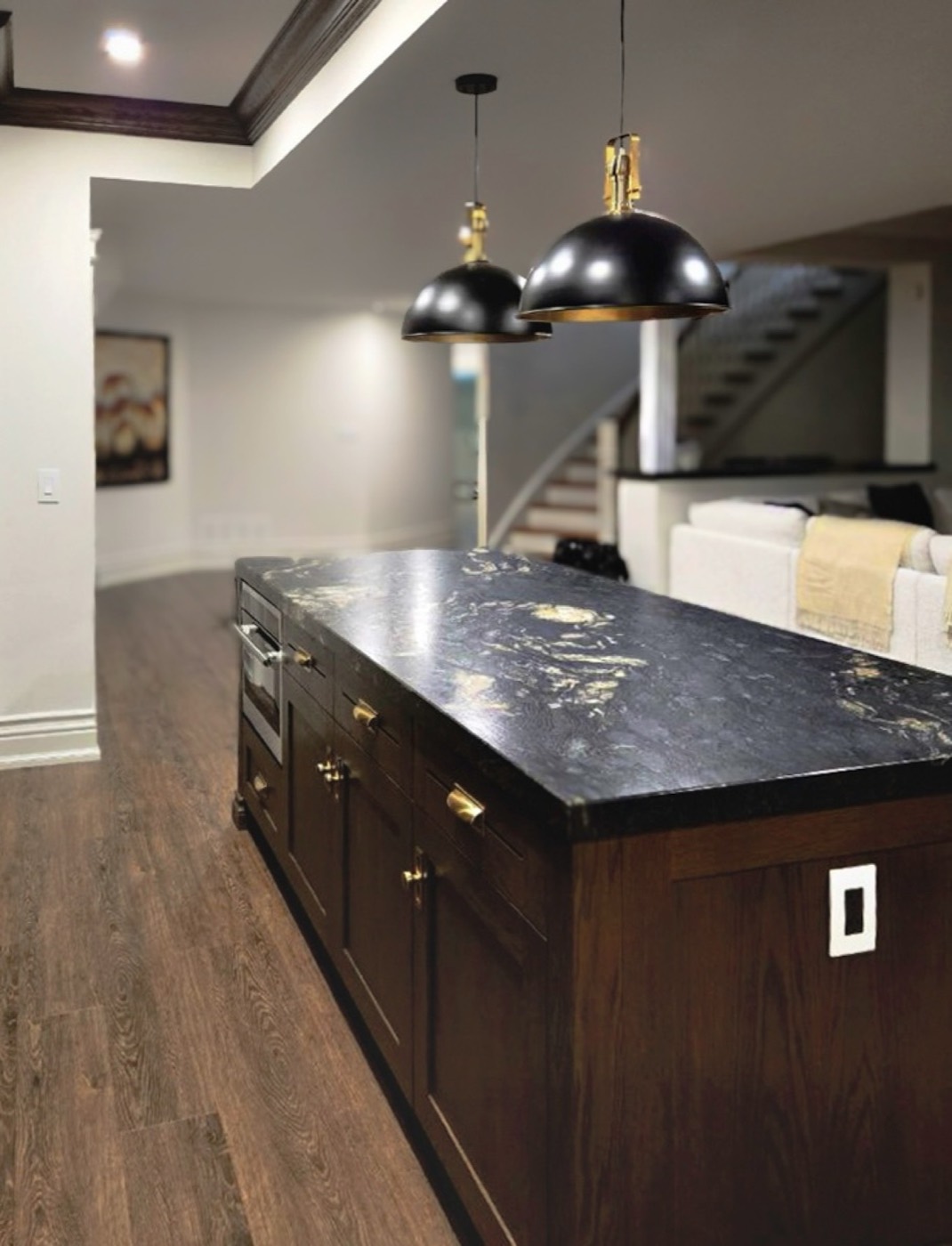
Fluted (concave grooves) and reeded (convex ribs) fronts add texture and shadow without adding colour. They have become a favourite for islands, vanities and feature pieces, where a little texture breaks up a large flat surface. Our Spa Bath Vanities include a fluted double vanity, and the Contemporary Calacatta Kitchen has a fluted island base.
Fluting looks best used selectively rather than on every door. It needs a slightly more careful wipe-down than a slab, and it costs more to produce because of the machining and finishing involved.
Glass-front
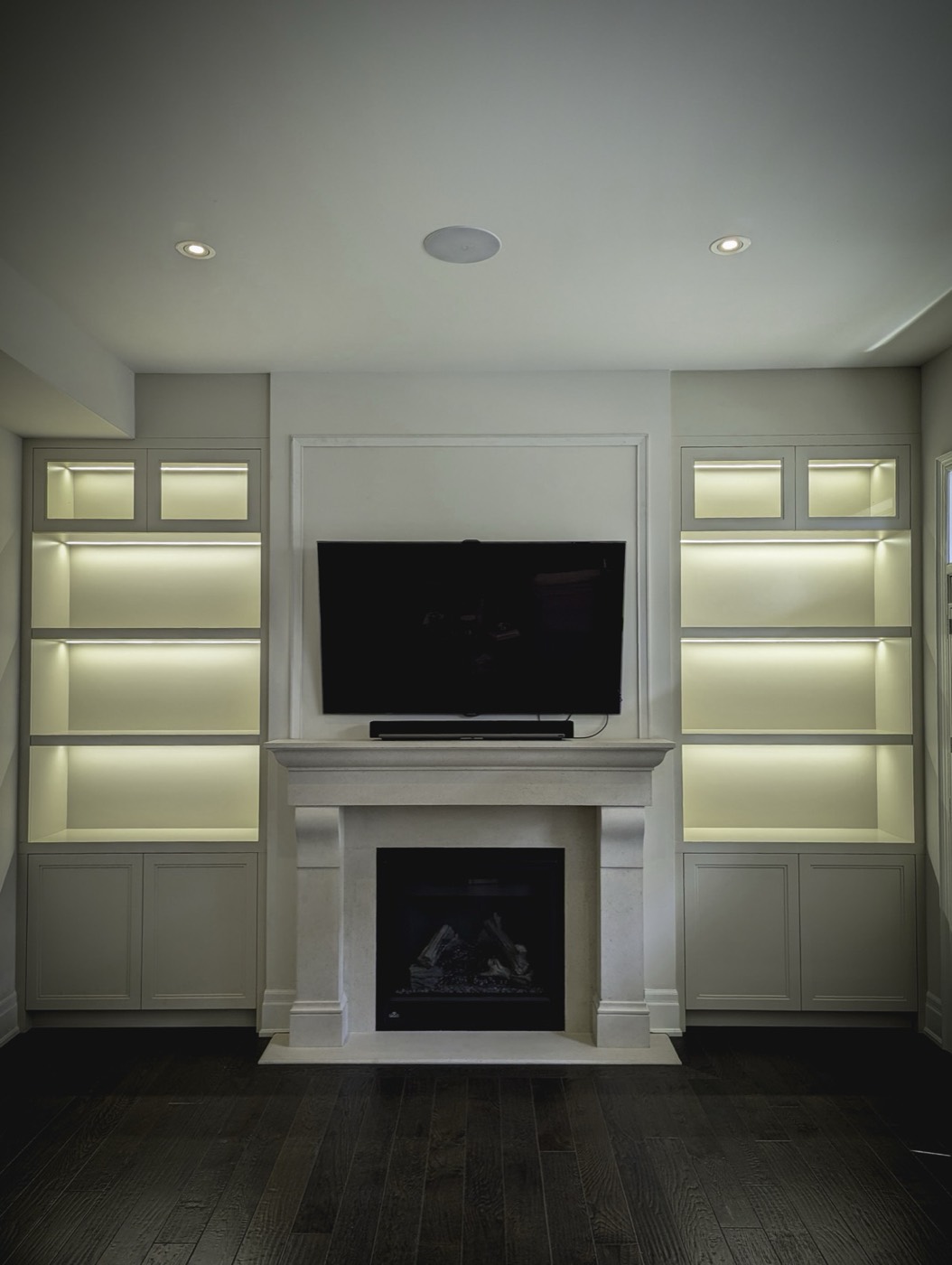
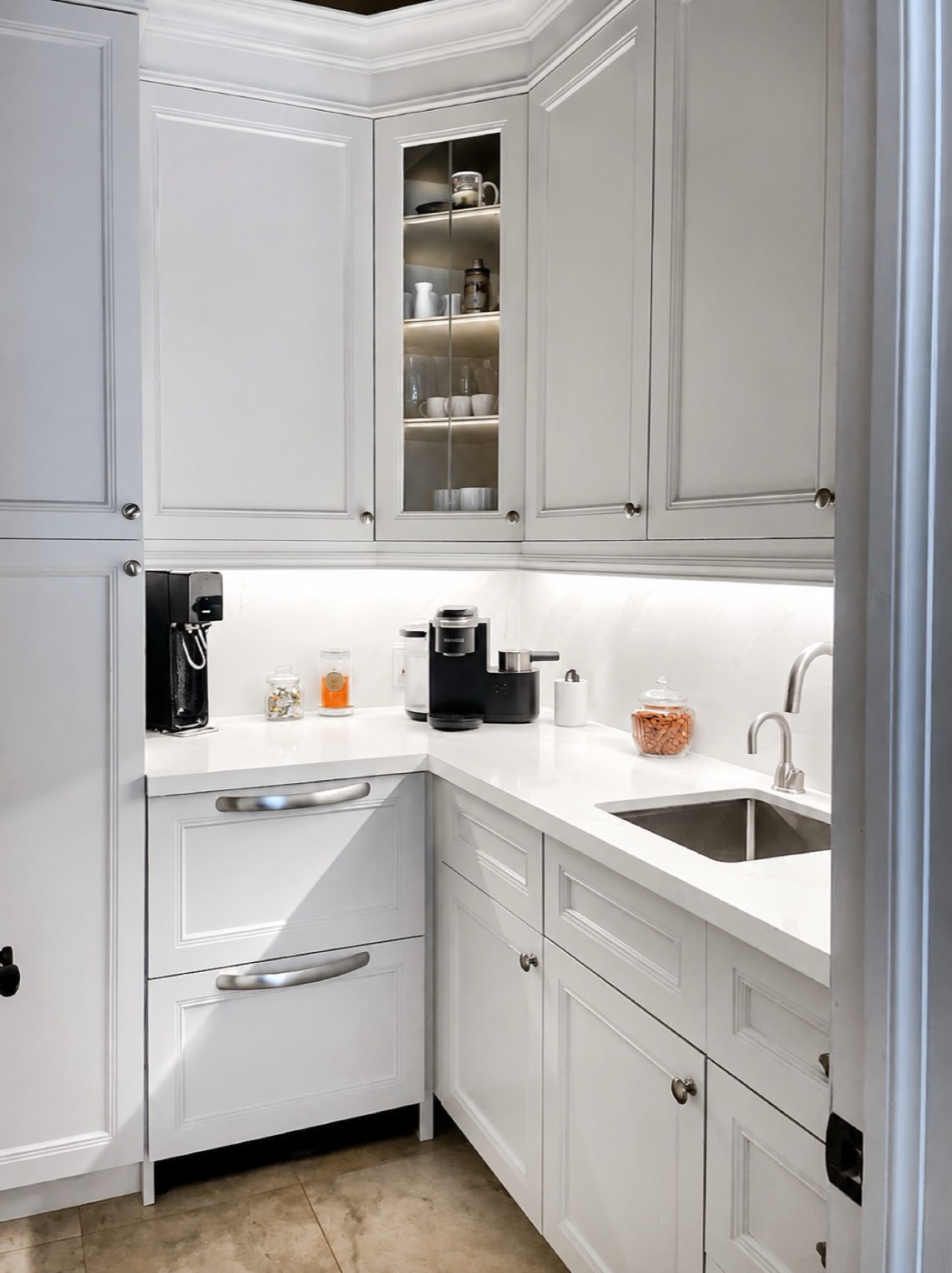
Glass-front doors turn storage into display. They lighten a wall of upper cabinets, show off glassware or serving pieces, and work beautifully with in-cabinet lighting. Options include clear, reeded, frosted and tinted glass, in wood or slim metal frames, with or without mullions.
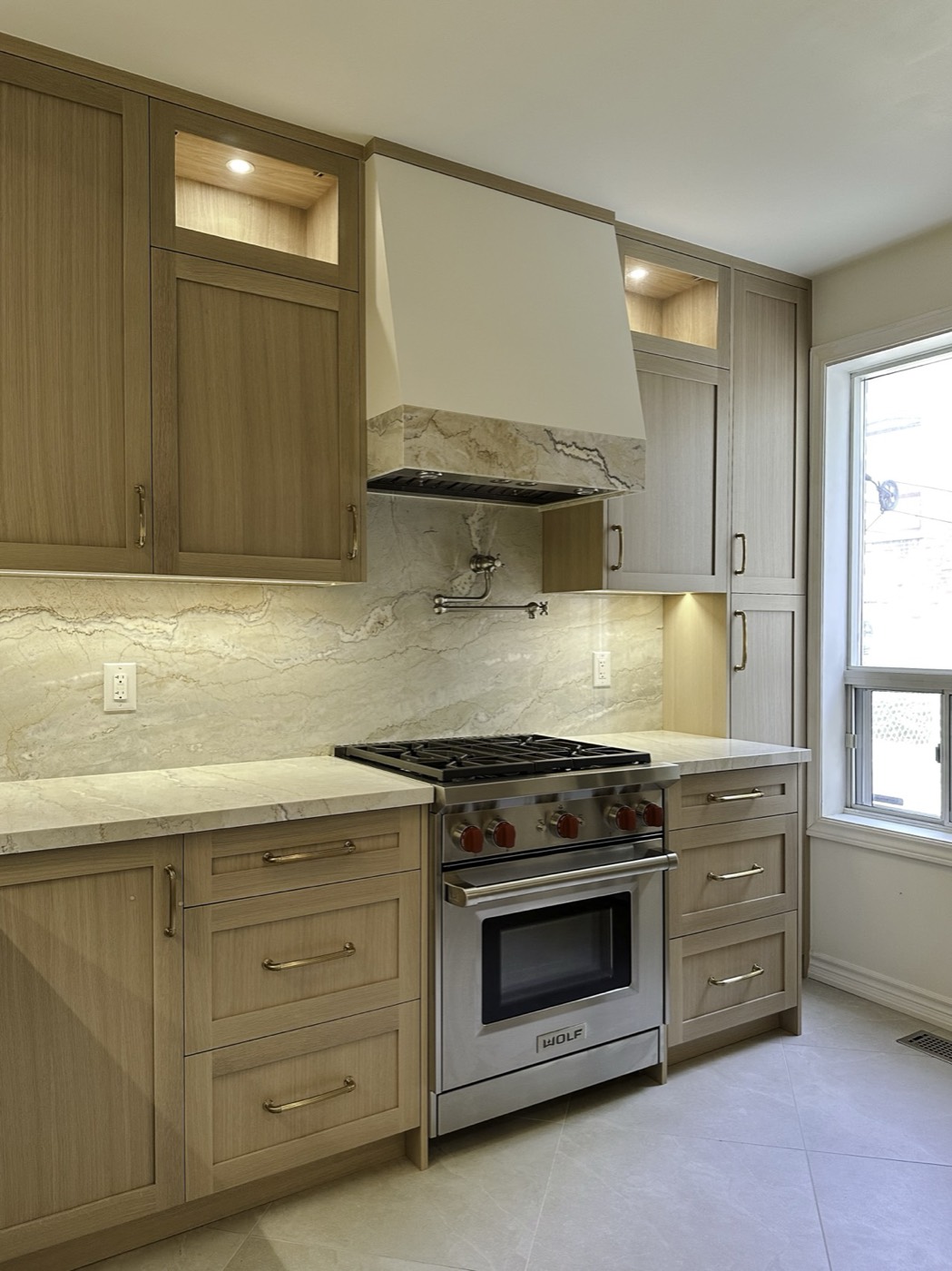
Glass doors work best in moderation, for a few uppers, a hutch, a butler's pantry or a bar. Our Rift White Oak Kitchen has lit glass-front uppers, and the Butler's Pantry uses glass display uppers above a coffee station. Remember that whatever is behind the glass is on show, so plan what will live there.
Door styles compared
A quick reference for the styles above:
| Style | Look | Best for | Upkeep | Relative cost |
|---|---|---|---|---|
| Shaker | Versatile, clean | Almost any home | Easy; corners collect dust | $$ |
| Slim shaker | Transitional, light | Condos, smaller rooms | Easy | $$ |
| Slab | Modern, minimal | Contemporary, handle-less | Easiest to clean | $–$$$ by material |
| Inset | Furniture-like, classic | Traditional, transitional | Occasional adjustment | $$$ |
| Raised panel | Formal, traditional | Bars, libraries, classic rooms | More profiles to dust | $$–$$$ |
| Fluted / reeded | Textured, tactile | Islands, vanities, accents | Careful wipe-down | $$$ |
| Glass-front | Light, display | Uppers, pantries, bars | Glass cleaning | $$–$$$ |
Painted or wood: how finish changes the door
The same door style looks very different painted or in wood. A painted shaker is crisp and classic; a rift white-oak shaker is warm and modern. Painted finishes give you any colour and a smooth, uniform surface, and are best built on stable MDF panels. Wood finishes show grain and age with character, and can be stained, oiled or lacquered. Our guide to rift white oak vs walnut compares two of the most popular woods.
A practical tip: if you have young children or a very busy kitchen, consider wood or a mid-tone paint for the lower cabinets, which hide everyday marks better than bright white.
Hardware and door style work together
Hardware is the jewellery of a kitchen, and the right pull depends on the door. Shaker doors suit almost anything, from knobs to long bar pulls. Slab doors look best with slim edge pulls, integrated channels or push-to-open hardware. Inset doors pair beautifully with traditional knobs and latches. Unlacquered or brushed brass, matte black and stainless steel each shift the style of the same door.
Inside the door, hinge and drawer systems matter just as much. Quality soft-close hinges and full-extension runners are what make a kitchen feel solid ten years on.
Mixing door styles in one kitchen
Using more than one style is common and can look very intentional. A few combinations that work well: a painted shaker perimeter with a wood or fluted island; slab tall units with shaker base cabinets; or a few glass uppers within a run of solid doors. The key is to keep one element consistent, such as colour, hardware or reveal size, so the kitchen reads as one design.
How to choose: five questions
When clients are torn between styles, these questions usually settle it:
- What is the architecture of the house, and what style is the rest of the millwork?
- How long do you plan to stay, and do you want timeless or of-the-moment?
- How much cleaning are you willing to do?
- Do you want the kitchen to recede, as in an open-plan condo, or to be a feature?
- What does your budget allow once materials and finish are chosen?
The bottom line
There is no single best door style, only the right one for your home and how you live. Shaker is the safest all-rounder, slab the most modern and practical, inset the most furniture-like, and fluted and glass the best accents. If you would like to see samples in person and talk through what suits your space, book a free consultation or explore our custom kitchens.
Related pages
Thinking about a project?
Let’s turn the idea into cabinetry.
Book a free consultation and we’ll talk through what’s possible for your space across the GTA.